Why Cultural Programs Work So Well in After-School: A Look at “Passport to Japan”
One of the challenges schools face with enrichment programming is finding activities that are both engaging for students and manageable for staff to run consistently over time. Cultural immersion programs solve both problems well. They give students something new to explore each week, while naturally blending art, history, food, and storytelling into a single theme.
Arc’s “Passport to Japan” program was designed around that idea.
Over ten weeks, students explore different aspects of Japanese culture through hands-on activities. One week focuses on the visual storytelling traditions behind anime and manga. Another introduces the art of origami and the symbolism of paper cranes. Later lessons explore festivals, calligraphy, food traditions, and Japanese fashion.
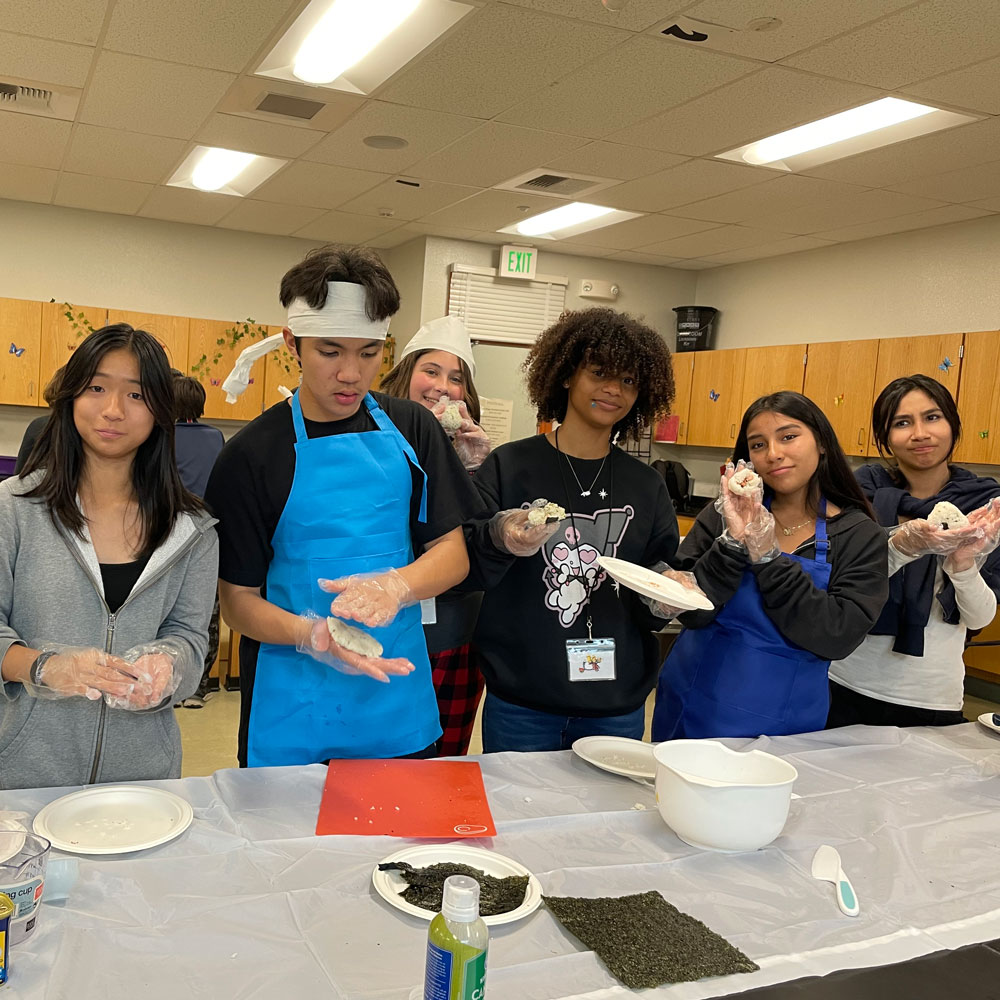
We’ve been intentional in how we’ve designed the structure of Passport to Japan. Rather than presenting culture as a lecture or a worksheet, each lesson pairs context with a creative activity. Students practice brush calligraphy after learning how written characters developed in East Asia. They decorate lanterns after learning how lanterns were used historically in festivals and temples. In one of the most popular lessons, students make simple sushi rolls and learn to use chopsticks (often trying foods – like seaweed! they may have thought they wouldn’t like).
Our Lesson Plan Helps the Curiosity Kick In
Our enrichment instructors tell us that cultural programs create a different type of engagement than traditional academic extensions. Students who might not normally gravitate toward art, history, or world cultures often find an entry point through food, design, or storytelling. There is also a broader developmental benefit.
Exposure to global cultures helps students begin to understand how traditions evolve and influence modern life. Japanese street fashion, anime, and festivals all connect historical traditions with contemporary expression. When students see those links, culture becomes something dynamic rather than something distant.
Another advantage of a program like Passport to Japan is its built-in progression. Each lesson builds toward a culminating project where students create their own “passport” and design a hypothetical trip to Japan. They choose what festivals they would attend, what foods they would try, and what places they would visit.
Many Arc partner schools have found that programs like this work well because they combine several types of learning at once:
- creative expression
- cultural literacy
- collaborative activities
- practical skills (food preparation, art techniques, design)
The result is a program that feels exploratory rather than instructional.
And from an operational standpoint, cultural programs also have practical advantages for after-school settings. Lessons can be structured around repeatable formats, materials are relatively accessible, and activities can scale across different age groups.
For schools thinking about expanding their enrichment offerings, cultural immersion courses can be a surprisingly effective entry point.
Students get to travel—at least intellectually—without leaving campus.
Where would YOUR students like to travel? Let’s talk about a program designed to expand their horizons.