
How to Fund Outdoor Education with Expanded Learning Grants
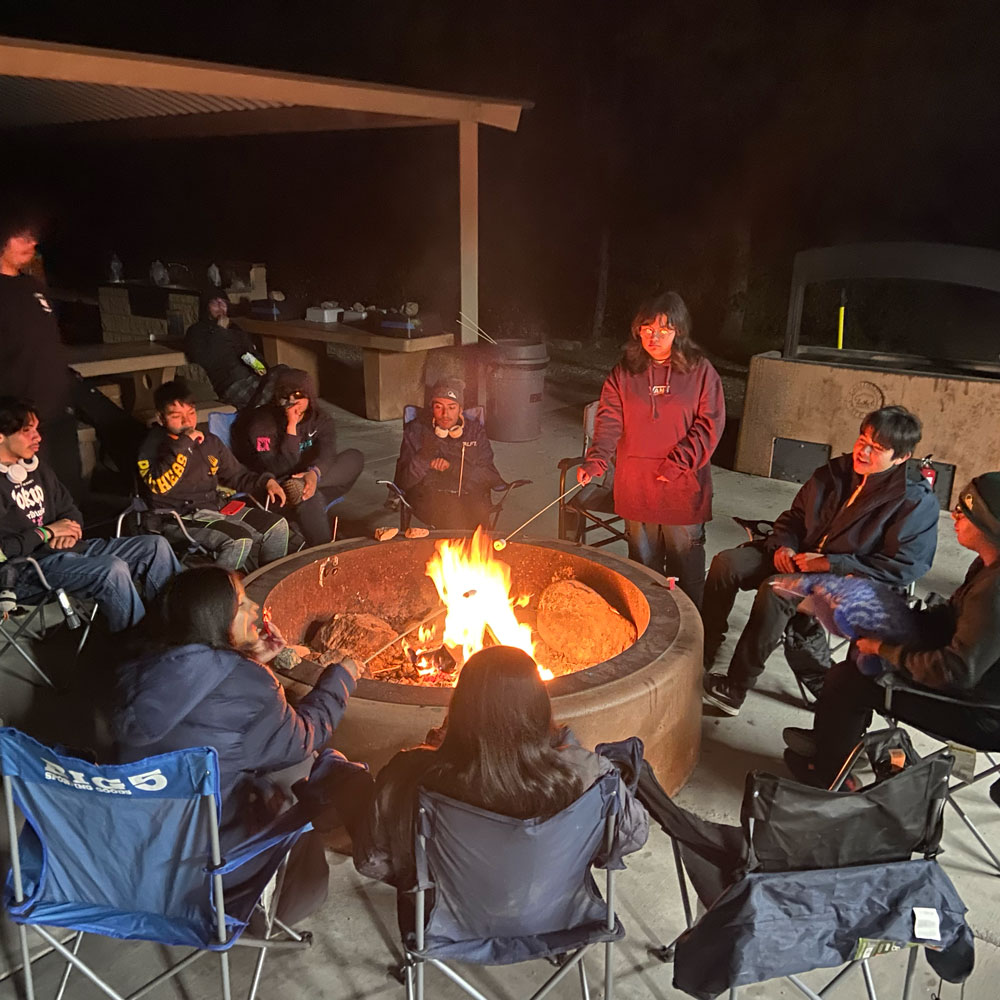
Practical guidance for aligning experiential programs with 21CCLC and ELOP funding
Outdoor education and adventure programming are gaining renewed interest across California — and for good reason. Schools are looking for ways to strengthen engagement, support social-emotional development, and provide meaningful, hands-on learning experiences beyond the classroom.
One of the most common questions we hear is: Can expanded learning funds be used for outdoor education?
In many cases, yes, when structured thoughtfully and aligned with grant requirements.
Here’s what school leaders should consider.
1. Align Outdoor Programming with Grant Purpose
Both 21CCLC and ELOP funding are designed to:
- Provide academic enrichment
- Support student engagement
- Offer safe, supervised environments beyond the school day
- Strengthen whole-child development
Outdoor education can support these goals when it is:
- Structured and intentional
- Connected to academic or enrichment outcomes
- Supervised and documented appropriately
- Designed to enhance the existing expanded learning program
Examples of alignment include:
- Environmental science programming tied to grade-level standards
- Leadership and team-building modules
- Career exploration components (e.g., outdoor environmental careers)
- Project-based learning conducted in natural settings
When programs are designed with clear objectives and documentation, they can fit comfortably within expanded learning frameworks.
2. Ensure It Enhances — Not Replaces — Existing Programming
Many supplemental grant rounds require that new programming enhance existing expanded learning services.
Outdoor education can serve as:
- A high-engagement enrichment track
- A capstone experience
- A structured ELOP day
- A summer expansion component
The key is demonstrating that the experience expands opportunities rather than displacing required services.
3. Budget for More Than the Experience Itself
When planning to use expanded learning funds for outdoor programming, schools should account for:
- Transportation
- Materials and equipment
- Instructor supervision
- Staff preparation time
- Safety compliance requirements
Transparent budgeting aligned to grant guidelines is critical. Schools should maintain documentation showing how each cost supports program objectives.
Expanded learning funds are not simply for field trips — they must support structured, supervised programming aligned with grant intent.
4. Prioritize Documentation and Measurable Outcomes
To remain compliant, schools should plan for:
- Attendance tracking
- Program schedules
- Defined learning objectives
- Outcome measurement (engagement, skill-building, participation rates)
- Financial tracking tied to spending timelines
Outdoor programming can deliver strong measurable outcomes when designed intentionally. Many schools track improvements in:
- Student participation
- Social-emotional indicators
- Leadership development
- Engagement consistency
Clear documentation protects both funding and sustainability.
5. Plan Early to Avoid Compliance Pressure
Outdoor programs require coordination — permits, transportation, scheduling, staffing, materials. Waiting until the final year of a grant cycle can create unnecessary pressure.
Schools that plan ahead are better positioned to:
- Integrate outdoor programming smoothly
- Spread costs across budget cycles
- Avoid last-minute spending surges
- Demonstrate strategic use of funds
Early planning allows outdoor education to become part of the program structure — not an emergency spending decision.
6. Consider Operational Capacity
Outdoor programming adds logistical layers. Before launching, leaders should ask:
- Who will coordinate transportation?
- Who ensures staff ratios and supervision?
- Who manages risk and safety documentation?
- Who tracks attendance and reporting?
Expanded learning grants can fund these components — but someone must operationalize them.
When structured well, outdoor education strengthens expanded learning programs. When under-planned, it can create strain.
A Strategic Opportunity
Outdoor education is not outside the scope of expanded learning when aligned intentionally, it is a powerful extension of it.
Schools across California are using 21CCLC and ELOP funds to:
- Increase engagement
- Differentiate programming
- Support social-emotional growth
- Strengthen attendance
- Build community connection
The key is thoughtful design, compliance awareness, and operational readiness.
When those elements are in place, outdoor programming becomes more than a memorable experience; it becomes a strategic asset.
If you want to get your students outside to experience the unique freedom, let us show you grant-compliant programs that other students have called “transformational.”